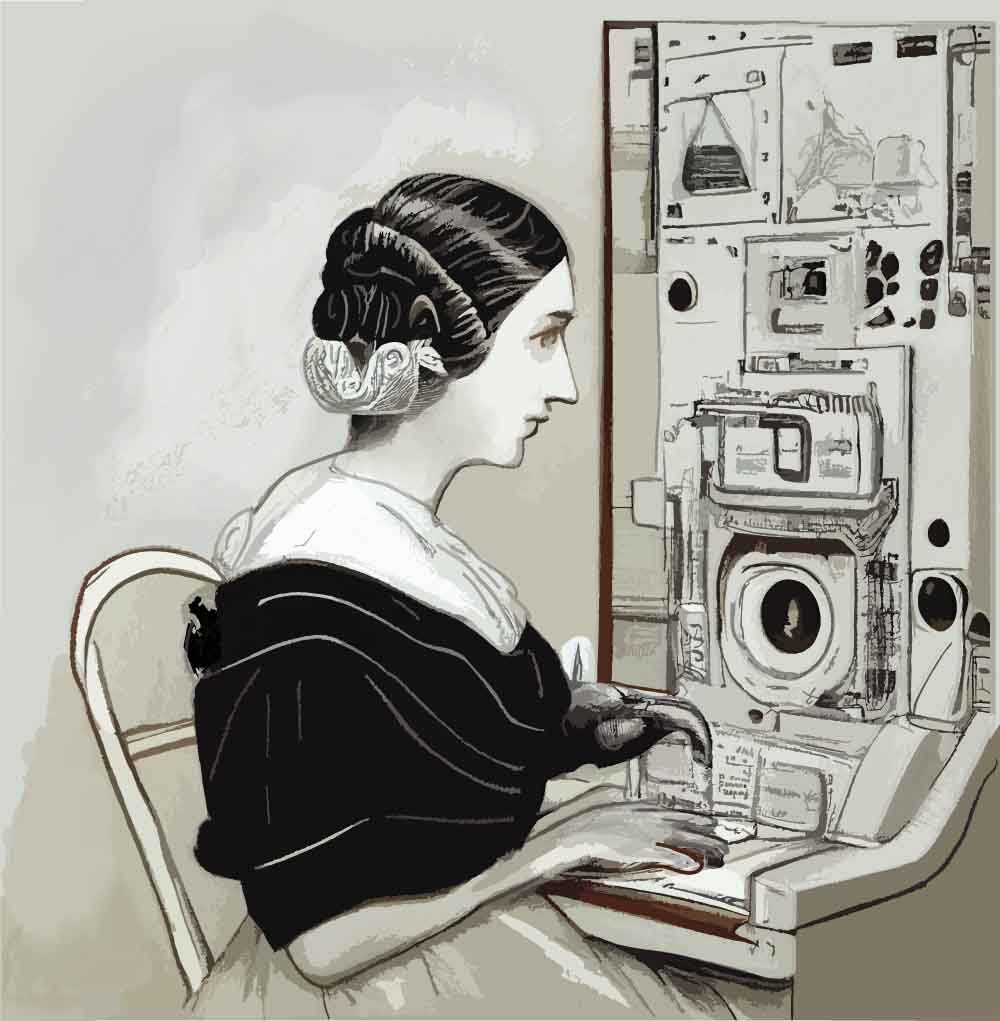
Ada Lovelace: The Pioneer of the First Computer Software

The Pioneer of the First Computer Software


The first computer software was written by Ada Lovelace, a British mathematician and writer, in the mid-1800s. Often recognized as the world’s first computer programmer, Ada Lovelace worked with Charles Babbage on his mechanical general-purpose computer, the Analytical Engine. Although the machine was never fully constructed during her time, Lovelace's visionary work laid the foundation for modern software development.
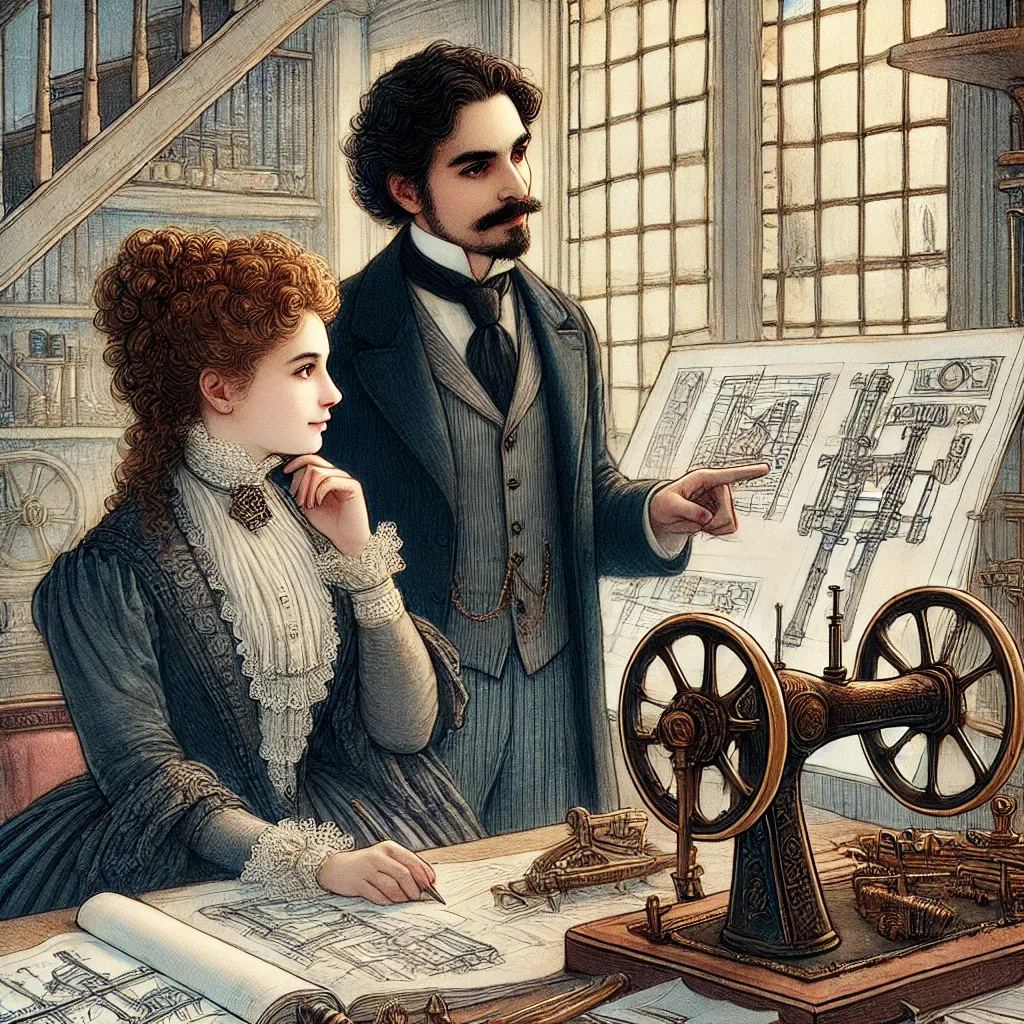

Ada lovelace and Charles babbage

The Pioneer of the First Computer Software


In 1843, Lovelace translated an article on the Analytical Engine from Italian and added her own extensive notes. Among these notes was a detailed algorithm intended to be processed by the machine—essentially the first computer program. She envisioned that the machine could perform not only mathematical calculations but also tasks like composing music, proving her far-reaching understanding of computers' potential beyond number-crunching.
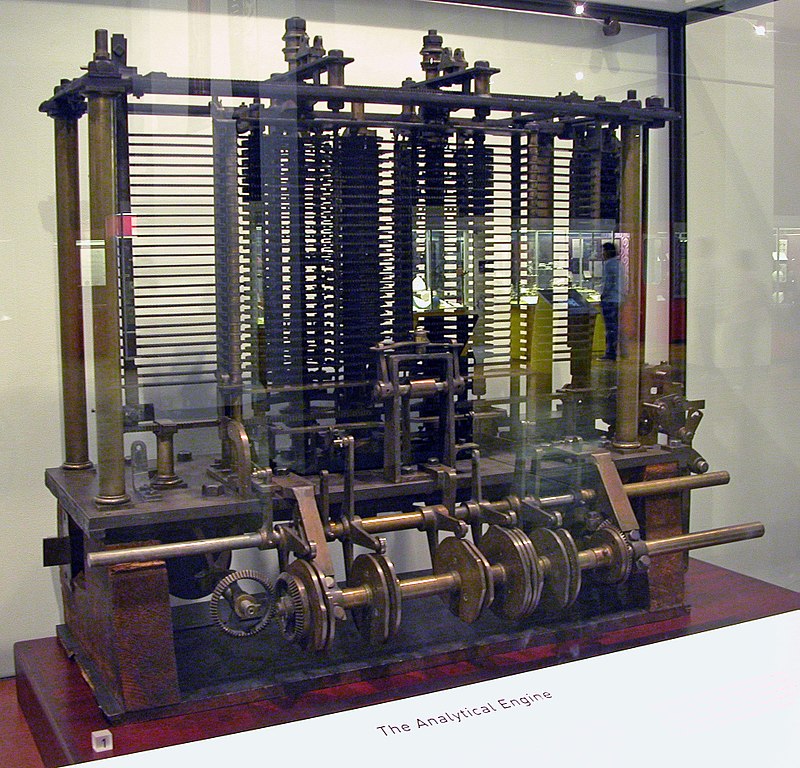

Ada Lovelaces Analytical Engine


Lovelace's work was not fully appreciated in her time, and it wasn’t until the modern computing era that her contributions were recognized. In 1953, her notes on the Analytical Engine were republished, and she gained recognition as a pioneer in the field of computer programming. Today, Ada Lovelace’s name lives on, inspiring generations of programmers and software developers.


Lovelace’s work represents the birth of software,
 which has since transformed the world.


Charles Babbage & Ada Lovelace, Steven Gregory


Comments

Popular posts from this blog

The British Crown Jewels: History, Facts, and Their Priceless Legacy

The British Crown Jewels are among the most famous and valuable treasures in the world, symbolizing centuries of monarchy, power, and tradition. These objects are used in ceremonial occasions, particularly during the coronation of British monarchs, and they hold immense historical and cultural significance. Here’s a look at some interesting facts and details about the Crown Jewels that may surprise you. 1. Priceless Beyond Measure While many objects are valued for insurance purposes, the British Crown Jewels are considered so unique and irreplaceable that they are not insured and are deemed priceless . The collection consists of over 100 ceremonial pieces , including crowns, orbs, scepters, and swords. These items are crafted from gold, silver, and adorned with thousands of precious gems, including diamonds , rubies , emeralds , and sapphires . The value of the jewels comes not only from the materials but also from their historical significance, as many date back hundreds of years. 2...

Apple Inc. The Iconic Brand that Revolutionized Technology and Design

  Apple Inc. is more than just a tech company—it’s a brand that has redefined entire industries and changed the way we live, work, and interact with technology. Founded by Steve Jobs, Steve Wozniak, and Ronald Wayne in 1976, Apple has grown from a small startup in a garage to one of the most valuable and influential companies in the world. Its success is rooted in its ability to combine innovation, simplicity, and an unparalleled sense of design, creating products that consumers love and trust. A Legacy of Innovation Apple’s journey to the top was not accidental. The company has a long history of introducing groundbreaking products that challenge the status quo. From the launch of the Apple I in 1976 to the revolutionary iPhone in 2007, Apple has consistently pushed the boundaries of what technology can do. Each new release—whether it’s the MacBook, iPod, iPad, Apple Watch, or Apple TV—has not only been a commercial success but has often set new industry standards. The iPhone, in p...

Nokia Case Study: The Rise, Fall, and Resurgence of a Mobile Giant

Nokia, a company synonymous with mobile phones during the early 2000s, is a fascinating case study in the tech industry. From dominating global markets to experiencing a sharp decline, and later attempting a resurgence, Nokia’s journey offers key lessons in innovation, market adaptation, and corporate strategy. The Rise of Nokia: From Paper Mill to Mobile Giant Nokia began in 1865 as a paper mill in Finland. Over the years, it diversified into various industries, including rubber, cables, and electronics. Its entry into the telecommunications sector in the late 20th century marked the beginning of its transformation into a global tech powerhouse. By the 1990s, Nokia had shifted its focus to mobile telecommunications, a decision that catapulted it to unprecedented success. Nokia’s mobile phones became the standard for reliability and durability. Models like the Nokia 3310 and Nokia 1100 were iconic, and by the early 2000s, Nokia was the world’s largest mobile phone manufacturer. Nokia...