Does AI Threaten Our Professionals? A Glimpse Into the Future of AI
 |
| The Future of AI: How AI Is Changing the World |
As artificial intelligence (AI) advances, its role in the professional world has sparked debates on whether it threatens jobs or enhances human productivity. To understand AI's real impact on the workforce, let’s examine specific industries, how AI is influencing them, and what the future might look like.
Industry 1: Healthcare Impact of AI
 |
| The Future of AI: How AI Is Changing the World |
AI has significantly transformed healthcare through innovations like machine learning algorithms that analyze patient data and provide predictive diagnostics. For instance, AI-driven tools can detect early signs of diseases like cancer from medical imaging faster than traditional methods.
Threat or Opportunity? Impact of AI
While AI can handle data analysis and pattern recognition, it still relies on healthcare professionals for critical decision-making and patient care. Surgeons, nurses, and specialists benefit from AI’s assistance, enhancing their capabilities but not replacing their expertise.
 |
| The Future of AI: How AI Is Changing the World |
Future Outlook: The future of AI in healthcare is likely to involve collaboration, where AI tools enhance doctors' diagnostic accuracy and treatment plans, leaving the human elements of empathy and complex decision-making to healthcare professionals.
Industry 2: Finance Impact of AI
 |
| The Future of AI: How AI Is Changing the World |
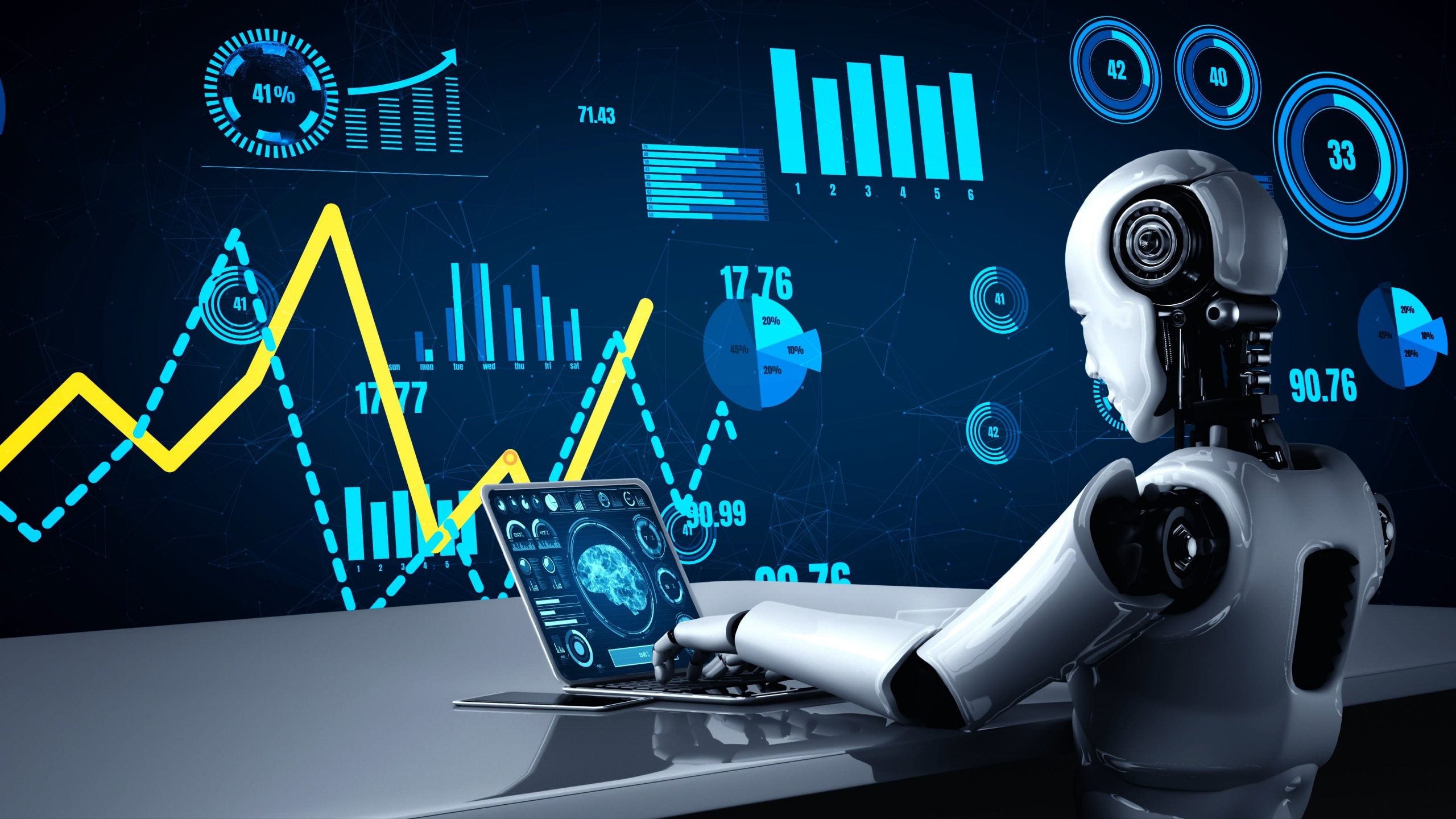
In finance, AI is used to automate trading, fraud detection, and financial planning. Robo-advisors offer automated investment advice, reducing the need for traditional financial planners.
AI Threat or Opportunity?
AI can handle routine financial tasks and provide analysis, but complex financial strategies still require human judgment. While entry-level jobs in finance may decrease, new roles like AI system managers and data scientists are emerging.
Future Outlook: The financial industry will likely see a shift from routine jobs to more advanced roles in AI management, data analytics, and regulatory oversight, enabling professionals to focus on strategy and innovation.
Industry 3: Manufacturing Impact of AI
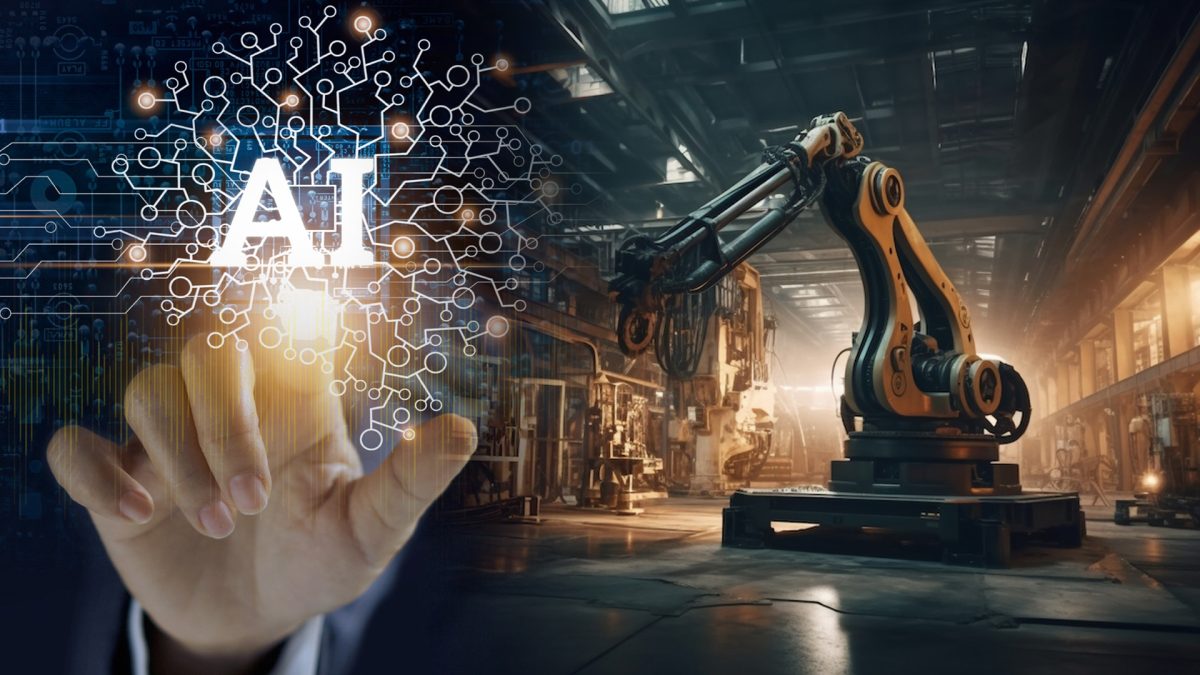
Manufacturing is one of the industries most impacted by AI and automation. Robots equipped with AI handle assembly lines, quality control, and supply chain management with speed and precision.
 |
| The Future of AI: How AI Is Changing the World |
AI Threat or Opportunity?
While this reduces the need for manual labor, it creates opportunities in AI system maintenance, programming, and process optimization. Workers need to reskill to handle new technology and manage AI systems.
Future Outlook: AI will dominate routine manufacturing tasks, but professionals skilled in overseeing automation, machine learning systems, and AI-driven decision-making will be highly sought after.
The Future of AI: What It Could Look Like
AI’s future likely revolves around a symbiotic relationship between humans and machines. Rather than fully replacing jobs, AI will reshape them. Here’s what we could expect:
 |
| The Future of AI: How AI Is Changing the World |
Job Transformation: Professionals in industries like healthcare, finance, and law will likely see a shift from repetitive tasks to higher-level, strategic work. AI will assist in performing mundane activities, allowing employees to focus on tasks that require human ingenuity, emotional intelligence, and critical thinking.
New Professions: AI will create new roles, such as AI ethicists, machine learning specialists, and automation consultants. These jobs will focus on ensuring AI systems are ethical, efficient, and aligned with business objectives.
Continuous Learning: To remain competitive, professionals will need to upskill and adapt. Fields like AI system management, data analytics, and ethical AI governance will require new skills, offering growth in education and training sectors.
 |
| The Future of AI: How AI Is Changing the World |
AI is not inherently a threat to professionals but a catalyst for change. It has the potential to augment human abilities, streamline operations, and open new professional horizons. By embracing continuous learning and innovation, professionals can thrive in an AI-driven world. This case study reveals that the future of AI isn’t about the elimination of jobs—it’s about evolution and adaptation.
Comments
Post a Comment